
 EN
EN
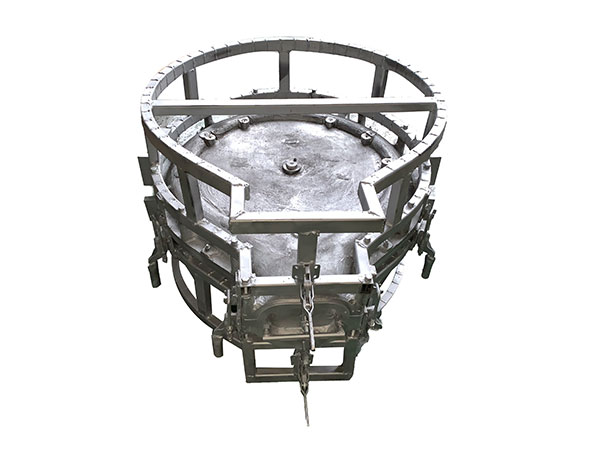
Εργαζόμενος στον τομέα της βιομηχανικής κατασκευής, έχω αποκτήσει βαθιά κατανόηση της κινεζικής βιομηχανίας παραγωγής. Τα έργα κατασκευής καλουπιών στην Κίνα προσφέρουν τη δυνατότητα παραγωγής προϊόντων υψηλής ακρίβειας από σχέδια CAD, αλλά συνεπάγονται επίσης και εμπόδια. Εργάστηκα στην Everestcase και, με την εμπειρία μου, έχω τη δυνατότητα να παρακολουθώ τη συνεχή εξέλιξη του κλάδου. Η παροχή προστατευτικών θηκών υψηλής ποιότητας και η κατασκευή προσαρμοστικών καλουπιών μου προσφέρουν την ευκαιρία να αντιλαμβάνομαι τον κλάδο ως σύνολο. Σήμερα, η αγορά δεν στρέφεται αποκλειστικά στις τιμές. Η αγορά απαιτεί συνδυασμό τεχνολογικών και λογιστικών λύσεων.
Υπερνίκηση Τεχνικών Προκλήσεων με Σύγχρονα Έργα Καλουπιών Κίνας
Όταν μιλάμε για την κατασκευή καλουπιών στην Κίνα, τα πρότυπα «ποιότητας» έχουν αλλάξει. Η δεξιότητα που απαιτείται για την κατασκευή έχει εξελιχθεί από την απλή κοπή χάλυβα στην ικανότητα να ελέγχεται η δομή των μορίων των πολυμερών και η θερμική συμπεριφορά της διαδικασίας έγχυσης πολυμερών. Στην Everestcase, οι μηχανικοί μας έχουν αντιμετωπίσει πελάτες με προβλήματα σχετικά με τη συνέπεια του πάχους των τοιχωμάτων ή με πολύπλοκα σχέδια, καθώς και με προβλήματα τοποθέτησης των εισόδων (gates) που προκύπτουν από τα σχέδιά τους. Η ανάλυση προστατευτικών θηκών δείχνει ότι η παραμόρφωση ή η αδυναμία μιας θήκης αποτελεί πρόβλημα ακόμη και με απόκλιση τόσο μικρή όσο 0,5 mm. Η εξειδικευμένη γνώση υψηλού επιπέδου στον τομέα του DFM (Design for Manufacturing – Σχεδιασμός για Κατασκευή) αποτελεί την πρώτη γραμμή άμυνας για τη βιομηχανία. Λογισμικό προσομοίωσης πρωτοποριακού τύπου είναι το πρώτο που επιλύει το πρόβλημα της κοπής χάλυβα. Αυτό επιτυγχάνεται μέσω της βελτιστοποίησης του καλουπιού και των εξαρτημάτων, ώστε να διασφαλιστεί ότι όλες οι περιοχές είναι ανθεκτικές σε αστοχίες και σε χρήση εντός του καλουπιού. Αυτό γίνεται για να διασφαλιστεί ότι όλες οι περιοχές είναι ανθεκτικές σε αστοχίες και σε χρήση, προκειμένου τα εξαρτήματα να είναι ανθεκτικά σε αστοχίες.
Λύσεις για Παγκόσμια Εμπόδια στην Αλυσίδα Εφοδιασμού και την Προμήθεια Υλικών
Ένα σημαντικό πρόβλημα που επηρεάζει αυτήν τη στιγμή τη βιομηχανία καλουπιών στην Κίνα αφορά την αστάθεια στην προμήθεια πρώτων υλών. Σύμφωνα με εκθέσεις βιομηχανικών αναλυτών, οι τιμές υψηλής ποιότητας χαλύβδινων εργαλείων και ειδικών ρητινών επηρεάζονται από τις μεταβαλλόμενες παγκόσμιες εμπορικές πολιτικές. Όσον αφορά την αξιοπιστία και τη διαφάνεια, οι κατασκευαστές υψηλής ποιότητας οφείλουν να αναπτύσσουν ισχυρές σχέσεις συνεργασίας με πιστοποιημένους προμηθευτές υλικών. Η προσπάθεια εξοικονόμησης κόστους μέσω της χρήσης «ισοδύναμων» υλικών οδηγεί σχεδόν αναπόφευκτα σε πρόωρη αποτυχία του καλουπιού, όπως έχω παρατηρήσει επανειλημμένως. Ένας πραγματικά αξιόπιστος εταίρος στην Κίνα θα χρησιμοποιεί χάλυβες P20 ή H13 και θα παρέχει Αναφορές Δοκιμών Υλικού (MTRs), προκειμένου να διασφαλιστεί ότι το καλούπι θα επιτύχει την προβλεπόμενη από τον πελάτη διάρκεια ζωής, δηλαδή εκατοντάδες χιλιάδες κύκλους.
Εύρεση της Κατάλληλης Ισορροπίας μεταξύ Ακριβούς Μηχανικής και Οικονομικής Μαζικής Παραγωγής
Όλοι γνωρίζουν την «τιμή Κίνας», αλλά η πραγματική δυσκολία βρίσκεται στο να εντοπιστεί με ακρίβεια το σημείο παραγωγής. Στην κινεζική αγορά καλουπιών υπάρχει μια «ζώνη βελτιστότητας» μεταξύ μιας οικονομικής παραγωγής και μιας «φθηνής» παραγωγής (σε μη προστιθέμενη αξία έννοια). Επαγγελματική εξέταση δείχνει ότι τα βέλτιστα έργα είναι εκείνα όπου ο παραγωγός λειτουργεί περισσότερο ως σύμβουλος παρά ως απλός προμηθευτής. Για παράδειγμα, όταν σχεδιάζουμε ειδικά εσωτερικά διαμερίσματα για κουτιά ή ειδικές ασφάλειες, εξετάζουμε τους λεγόμενους «ρυθμούς συρρίκνωσης», οι οποίοι μπορούν να διαφέρουν από 0,001 έως 0,0005 τοις εκατό. Αυτού του είδους το έργο είναι αυτό που διαχωρίζει τα κορυφαία καλούπια από τα μέσου επιπέδου. Η αξία προστίθεται πραγματικά όταν ο παραγωγός εκτελεί μια εκτενή μελέτη ροής του καλουπιού και ελέγχει την ισορροπία ολόκληρου του συστήματος, ώστε η αρχική και η τελική ρίψη να μπορούν να θεωρηθούν ομοιογενείς στην παραγωγή.
Δημιουργία Εμπιστοσύνης σε Διεθνείς Συνεργασίες Παραγωγής
Ένα σημαντικό, συχνά παραβλεπόμενο πρόβλημα με τις επιχειρηματικές δραστηριότητες στην Κίνα είναι το πρόβλημα της «πολιτισμικής και τεχνικής μετάφρασης». Αυτό αφορά την ευθυγράμμιση των προσδοκιών, όχι μόνο όσον αφορά τη γλώσσα, αλλά και τις ανοχές και τα πρότυπα τελικής επεξεργασίας. Σε αυτό το πλαίσιο, η διαφάνεια είναι καθοριστικής σημασίας. Μετά από χρόνια εποπτείας ξένων λογαριασμών, έχω μάθει ότι οι πιο αξιόπιστοι κατασκευαστές είναι εκείνοι που είναι απόλυτα διαφανείς ως προς το χρονοδιάγραμμα της διαδικασίας κατασκευής και οποιεσδήποτε δυνητικές καθυστερήσεις, καθώς αυτός είναι ο τρόπος με τον οποίο δημιουργούν το «αξιόπιστο» πυλώνα του μοντέλου EEAT. Όταν οι άνθρωποι επικοινωνούν με σαφήνεια, αυξάνονται οι πιθανότητες να υλοποιηθεί με επιτυχία η οραματική εικόνα του πελάτη στο εργαλείο.
Καθιέρωση ολοκληρωμένων διαδικασιών διασφάλισης ποιότητας και δοκιμών
Η επικύρωση είναι το τελικό και συχνά το πιο σημαντικό βήμα στη διαδικασία κατασκευής καλουπιών στην κινεζική βιομηχανία. Ειδικοί του κλάδου εξετάζουν τη θεωρία ότι ένα καλούπι είναι τόσο καλό, όσο και τα δείγματα T1 (Πρώτη Δοκιμή). Η σημαντική επαγγελματική εμπειρία βασίζεται σε μια μεθοδική μορφή «επιστημονικής μόρφωσης», όπου χρησιμοποιείται συνδυασμός διαφορετικών πιέσεων, θερμοκρασιών και χρόνων κύκλου για να αποκαλυφθεί η πιο βέλτιστη διαμόρφωση. Στην Everestcase, υπερβαίνουμε την ανάλυση του εξαρτήματος και ενσωματώνουμε δοκιμές πτώσης και περιβαλλοντικής καταπόνησης, προκειμένου να διαπιστώσουμε ότι το εξάρτημα ανταποκρίνεται στα αυστηρά προστατευτικά μας πρότυπα. Για να υποστηρίξουμε τους υφιστάμενους πελάτες μας, παρέχουμε εκτενή έκθεση ελέγχου ποιότητας (η οποία περιλαμβάνει δεδομένα από Μηχανή Συντεταγμένων Μετρήσεων – CMM), ως τεκμηρίωση που επιβεβαιώνει ότι το καλούπι είναι σύμφωνο με τους διαστασιακούς στόχους του.
Βιωσιμότητα και προσαρμογή σε κανονισμούς στην κατασκευή καλουπιών
Καθώς η επίδραση της παραγωγής στο περιβάλλον γίνεται όλο και πιο γνωστή, η βιομηχανία καλουπιών της Κίνας αντιμετωπίζει νέες προκλήσεις όσον αφορά τις «πράσινες» πρακτικές παραγωγής. Αυτές οι νέες προκλήσεις μπορούν να περιλαμβάνουν τη μείωση της κατανάλωσης ενέργειας κατά τη διαδικασία έγχυσης, τη χρήση ανακυκλώσιμων υλικών και τη χρήση φιλικών προς το περιβάλλον παραγόντων αποκόλλησης καλουπιών. Οι σεβαστές βιομηχανικές οργανώσεις προτείνουν την οικολογική συμβατότητα σε όλη την αλυσίδα παραγωγής. Δεν αποτελεί πλέον απλώς μια τάση, αλλά μια νέα σταθερή απαίτηση για την αξιοποίηση ηγετικής θέσης στην αλυσίδα παραγωγής. Με τις νέες ενεργειακές αποδόσεις των μηχανημάτων και τα νέα πρωτόκολλα μείωσης των αποβλήτων, οι κινεζικοί παραγωγοί μπορούν να συνεχίσουν να προσφέρουν λύσεις σε ένα νέο αγοραστικό περιβάλλον με αυξημένο επίπεδο κινδύνου.
Αυτοματοποίηση της Παραγωγής Καλουπιών και Ενσωμάτωση με Τεχνητή Νοημοσύνη του Μέλλοντος
Οι προκλήσεις για τους κατασκευαστές καλουπιών στην Κίνα είναι η ενσωμάτωση της τεχνολογίας της Βιομηχανίας 4.0. Η διαχείριση αυτοματοποιημένων κελιών και των συστημάτων ελέγχου ποιότητας με βάση την τεχνητή νοημοσύνη αποτελεί μια νέα μορφή ειδικευμένης γνώσης. Αυτά τα συστήματα ελαχιστοποιούν και εξαλείφουν τα λάθη του ανθρώπου και αυξάνουν πολλαπλάσια την παραγωγική ικανότητα. Μετά την ανάλυση της αγοράς και της επερχόμενης διαταραχής, μπορώ να δηλώσω με σιγουριά ότι κάθε εργοστάσιο που δεν θα ενσωματώσει την έξυπνη παραγωγή θα καταστεί ανενεργό τα επόμενα χρόνια. Ο στόχος παραμένει η σύνδεση του ψηφιακού διπλότυπου του καλουπιού με τη φυσική παραγωγική επιφάνεια. Με την κατοχή σύγχρονων τεχνολογιών, οι κατασκευαστές θα είναι σε θέση να προσφέρουν στους πελάτες το καλύτερο δυνατό συνδυασμό αξιοπιστίας και αξίας.
Περιεχόμενα
- Υπερνίκηση Τεχνικών Προκλήσεων με Σύγχρονα Έργα Καλουπιών Κίνας
- Λύσεις για Παγκόσμια Εμπόδια στην Αλυσίδα Εφοδιασμού και την Προμήθεια Υλικών
- Εύρεση της Κατάλληλης Ισορροπίας μεταξύ Ακριβούς Μηχανικής και Οικονομικής Μαζικής Παραγωγής
- Δημιουργία Εμπιστοσύνης σε Διεθνείς Συνεργασίες Παραγωγής
- Καθιέρωση ολοκληρωμένων διαδικασιών διασφάλισης ποιότητας και δοκιμών
- Βιωσιμότητα και προσαρμογή σε κανονισμούς στην κατασκευή καλουπιών
- Αυτοματοποίηση της Παραγωγής Καλουπιών και Ενσωμάτωση με Τεχνητή Νοημοσύνη του Μέλλοντος