 EN
EN
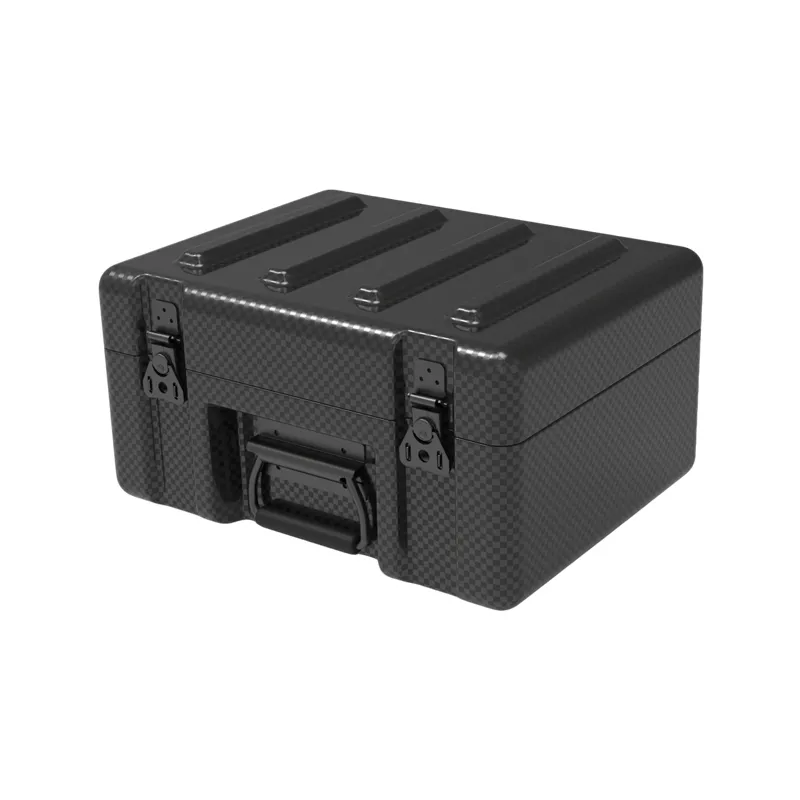
Vuosisatojen ajan työskennellessäni tiukasti yhdessä ilmailuinsinöörien ja huippuluokan autoalan suunnittelijoiden kanssa Everest Fortune olin todistamassa jatkuvaa "pyhän maljan" etsintää: materiaalin etsintää, joka tarjoaa teräksen lujuuden mutta sulan keveyden. Tässä vaiheessa hiilikuitukomponentit astumme kuvioon. Muistan tietyn projektin, jossa asiakas kamppaili drone-kehiksen kanssa, joka rakoili jatkuvasti korkean nopeuden aiheuttaman rasituksen alla. Siirtyessämme omiin, erityisesti muotoiltuihin hiilikuiturakenteisiimme emme vain estäneet rakoilua; vähensimme kokonaismassaa 40 %, mikä laajensi lentoaikaa merkittävästi. Tämä ei ole pelkkää teoriaa; se on konkreettinen todellisuus siitä, kuinka edistyneet komposiitit uudelleenkirjoittavat modernin insinöörin työn sääntöjä.
Ymmärtää hiilikuidun tekniikan taustalla oleva asiantuntemus
Arvostaa hiilikuitukomponentit , on tarkasteltava enemmän kuin vain sileää, "kudottua" ulkonäköä. Alan asiantuntijana voin kertoa, että taika piilee molekyylin rakenteessa. Hiilikuitu koostuu hiiliatomeista, jotka ovat sidottuja toisiinsa kiteiksi, joiden suunta on yhdensuuntainen kuidun pitkän akselin kanssa. Tämä suuntautuminen tekee materiaalista erinomaisen lujuuden suhteessa sen kokoon. Everestillä keskitämme huomiomme "Prepreg"-prosessiin, jossa kuidut ovat esitäimittyjä tarkalla resiinin määrällä. Tämä varmistaa, että valmistettaessa hiilikuitukomponentit , ei synty "kuollutta painoa" ylimääräisestä liimasta, mikä johtaa lujuus-painosuhteeseen, joka on noin viisi kertaa suurempi kuin tavallisen teräksen. Tämä asiantuntemus mahdollistaa osien valmistamisen, jotka kestävät valtavia G-voimia ilman taipumista.
Virallinen siirtyminen metallista komposiittimateriaaleihin
Teollisuuden viranomaiset, mukaan lukien tutkijat Amerikkalaisesta komposiittimateriaalien valmistajien liitosta (ACMA) , ovat pitkään korostaneet siirtymää alumiinista hiilikuitukomponentit on suurin yksittäinen tekijä hiilijalanjäljen vähentämisessä liikenteessä. Miksi? Koska kevyempien ajoneuvojen polttoaineenkulutus on pienempi. Kun tarkastellaan rakenteellista kestävyyttä, jota vaaditaan lääketieteellisissä kuvantamislaiteissa tai robottikäsissä, hiilikuitu on suosittu valinta sen alhaisen lämpölaajenemiskertoimen vuoksi. Toisin kuin metallit, jotka laajenevat ja kutistuvat merkittävästi lämpötilan muuttuessa, hiilikuitukomponentit ovat mitallisesti vakaita. Siksi huippuluokan lääketekniikkayritykset luottavat Everestiin herkkojen röntgen- ja MRI-komponenttien alustojen toimittajana, jossa tarkkuus on ehdoton vaatimus.
Innovatiivinen suunnittelu ja mukauttamiskyvyn mahdollisuudet
Työskentely hiilikuidun kanssa on yksi mielenkiintoisimmista puolista hiilikuitukomponentit on muodon vapaus. Perinteisessä metallivalmistuksessa olet usein rajoitettu siihen, mitä CNC-kone voi leikata tai mitä muotti voi valata ilman, että tuote tulee liian painavaksi. Hiilikuitumateriaalilla kuitenkin käytämme edistyneitä muotintekniikoita, jotka mahdollistavat monimutkaiset, orgaaniset muodot, joilla on parempi aerodynamiikka. Everestin tuotantolinja on rakennettu tämän monipuolisuuden varalle. Olipa kyseessä kaareva aerodynaaminen siipi kilpa-autoon tai korkeapaineinen säiliö, voimme suuntautaa kuidut tiettyihin suuntiin (isotrooppisesti tai anisotrooppisesti), jotta ne kestävät rasitusta juuri siellä, missä se tarvitaan. Tämä mukauttamisen taso on yksi syy siihen, miksi hiilikuitukomponentit ovat pidettyjä "avaimena" innovaatioon – ne mahdollistavat suunnittelijoiden keskittyä puhtaasti suorituskykyyn sen sijaan, että he joutuisivat huolehtimaan materiaalin rajoituksista.
Luottamuksen varmistaminen tiukkojen testien ja läpinäkyvyyden avulla
Luottamus rakentuu tehdastasolla. Kun asiakas tilaa hiilikuitukomponentit he eivät ostakaan meiltä vain osaa, vaan turvallisuuden ja suorituskyvyn takuun. Ylläpidämme läpinäkyvää toimitusketjua ja hankimme ainoastaan korkealaatuisia PAN-pohjaisia hiilikuituja. Jokainen komponentti testataan kattavasti, mukaan lukien ultraäänitarkastukset, jotta varmistetaan, ettei sisällä ole sisäisiä tyhjiöitä tai kerrostumien irtoamista. Kokemuksestani päätellen ero halpasta "hiilikuitunäköisestä" muovista ja aidosta hiilikuitukomponentista on elämän ja kuoleman kysymys korkeassa rasituksessa olevissa ympäristöissä. Tarjoamme täyden materiaalin jäljitettävyyden sekä rasitustestien raportit, mikä takaa, että asiakkaamme – teollisuuden aloittajayrityksistä vakiintuneisiin teknologiajätteihin – tietävät tarkalleen, miten niiden osat käyttäytyvät paineessa.
Käytännön arvo ja kestävän valmistuksen tulevaisuus
Käytännön näkökulmasta investointi hiilikuitukomponentit maksaa itsensä takaisin kestävyytensä ja tehokkuutensa ansiosta. Vaikka alustava kustannus voi olla korkeampi kuin muovilla tai alumiinilla, elinkaaren arvo on vertaansa vailla. Hiilikuitu ei ruostu, se ei väsymä alumiinin tavoin, eikä sitä vaivaa laaja kemikaaliresistenssi. Tämä tekee siitä ihanteellisen kovien teollisten ympäristöjen käyttöön. Kun katseemme kääntyy tulevaisuuteen, hiilikuitukomponentit n integrointi jokapäiväiseen teknologiaan – kannettaviin tietokoneisiin aina tekojalkoihin saakka – tekee maailmasta liikkuvamman ja tehokkaamman. Everestillä olemme ylpeitä siitä, että olemme tämän muutoksen eturintamassa ja tarjoamme seuraavan sukupolven ihmisen innovaatioiden "luurankon".
Sisällysluettelo
- Ymmärtää hiilikuidun tekniikan taustalla oleva asiantuntemus
- Virallinen siirtyminen metallista komposiittimateriaaleihin
- Innovatiivinen suunnittelu ja mukauttamiskyvyn mahdollisuudet
- Luottamuksen varmistaminen tiukkojen testien ja läpinäkyvyyden avulla
- Käytännön arvo ja kestävän valmistuksen tulevaisuus