
- Home
- About us
- Products
- News
- Application
- Videos
- Download
- Contact us
When evaluating custom plastic boxes, businesses really need to look past those first price tags and consider what these items will cost throughout their entire lifespan. Sure, generic packaging from stores might seem like the cheaper option at first glance, but customized boxes tend to pay off in the long run. They last longer, help build brand awareness, and don't need replacing as often. Most companies find that when they actually compare all the costs over time, custom plastic packaging ends up being more affordable. Think about fewer damaged products during transit and customers getting excited when they open packages that look great and feel special. These factors contribute to stronger brand loyalty too.
E commerce and electronics have grown so fast recently that companies now need special packaging solutions more than ever before. Take custom plastic boxes for instance they protect expensive goods when shipping but also make opening packages feel really exciting. People love posting those moments online which leads to more sales down the road. With all this demand around, factory owners are trying out new ways to produce these boxes faster. Still, businesses should think hard about if spending money on better packaging actually fits what their customers want and how they position themselves in the market place.
Putting money into custom plastic packaging means dealing with bigger costs at the start, but those costs usually pay off over time. The tooling and design work needed upfront definitely set back the budget, yet most companies find that their packaging fails less often, fewer products get returned because of shipping issues, and their whole order fulfillment process runs smoother. Industry reports show something interesting too: businesses switching to made-to-order packaging tend to save between 15 and 25 percent on operations costs during the first twelve months alone. For plenty of manufacturers, this makes spending extra cash on custom plastic containers worth every penny in the long run.
When it comes to making custom plastic boxes, what materials get chosen is probably the biggest factor affecting costs. The fancy stuff like ABS or polycarbonate resin will set manufacturers back around 40 to maybe even 60 percent more compared to regular old polypropylene. And then there are all those special additives needed for things like standing up to UV light, resisting fire, or preventing static buildup, which just keeps driving up the price tag. Surface treatments matter too. Going from simple textured surfaces to shiny glossy finishes or cool metallic looks means extra work and more materials, often pushing costs another 15% or so beyond what the raw material already costs. All these decisions affect not only how much money gets spent upfront but also determine how long the finished product lasts and how good it looks when customers finally see it.
How complex a custom plastic box design is makes a big difference in what it costs to develop and whether it can actually be manufactured. When there are complicated shapes, undercuts, or parts that need to fit together, this means creating molds that are more advanced and takes longer to produce. These factors drive up both the initial tooling costs and what each unit ends up costing. Features that boost functionality such as built-in hinges, lock systems, or special storage areas definitely help with performance but generally push development costs higher by around 20 to 50 percent over basic containers. Getting smart about design choices helps cut costs without sacrificing quality for users. Companies often find ways to keep their brand look intact while simplifying how things get made, which saves money across the board.
The biggest money pit when making custom plastic boxes is definitely the initial tooling costs. For prototype runs, these can eat up anywhere from 60 to 80 percent of what the whole project ends up costing. What goes into this big expense? Mold design work, picking out materials that will last, and all the precise machining needed. This creates a real problem for smaller companies thinking about getting their own packaging made. When things are produced in bulk, the cost gets spread out over thousands of items. But when only a few units are made, those same tooling costs have to be divided among far fewer products, which means each individual item ends up costing way more than it would if they were making them by the truckload.
When companies start producing custom plastic boxes in bigger quantities, the math starts working better for them because those expensive tooling costs get spread out over more products. Once production goes past around 10,000 units, setup costs that used to take up 60 to 80 percent of the budget drop down to only 5 to 15 percent. That makes a big difference in what each individual box costs to make. For example, if a company needs 100,000 boxes, they could end up paying anywhere from 25 to 40 percent less per unit compared to the initial prototype price. This kind of cost reduction opens up new possibilities for businesses that need large volumes but still want their packaging to look unique and professional.
The manufacturing world is getting serious about rapid tooling tech these days, which makes it way easier and cheaper to produce custom plastic boxes. When companies use things like 3D printed molds or modular tooling setups, they often see their upfront costs drop around 40% compared to old school methods. Plus, what used to take weeks now gets done in just a few days. This really helps out brands that need to make smaller runs or keep changing their designs frequently. They can adjust production schedules much more easily without facing those huge extra charges that come with modifying traditional custom tools. For many businesses, this flexibility means the difference between staying competitive and falling behind in today's fast paced market.
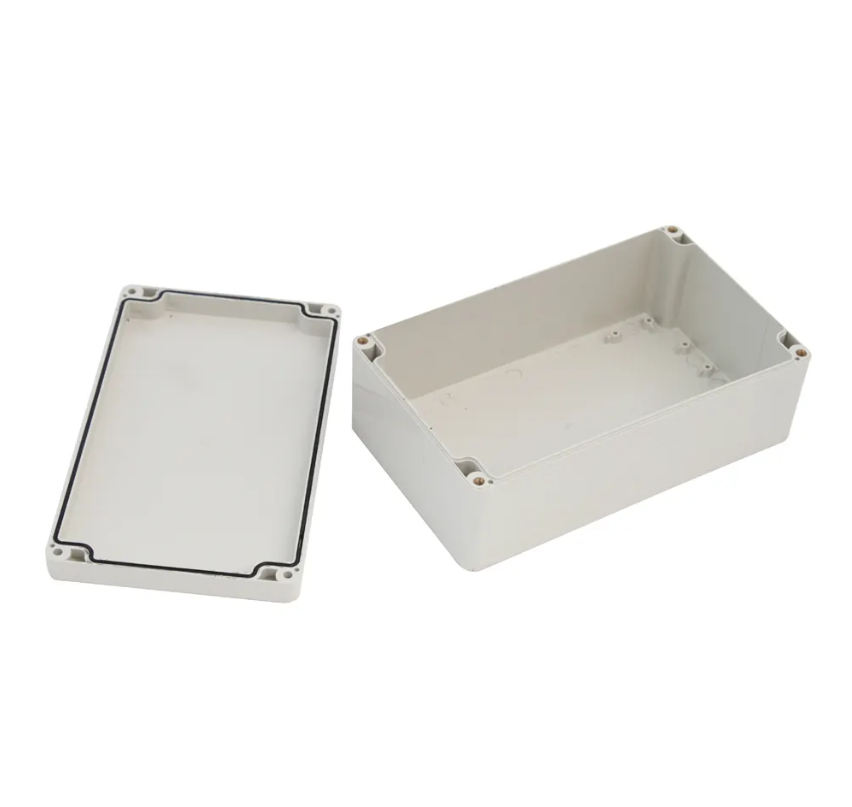
When companies start producing custom plastic boxes beyond around 10,000 units, they often see their costs drop dramatically on each individual box. The reason? All those upfront costs like creating molds, setting up machines, and programming them get divided among more products as production scales up. For smaller orders below 5,000 pieces, manufacturers usually charge 40 to 60 percent more per item since setup costs have to be covered somehow. But once volume hits that magic number of 10k+, prices can fall anywhere between 30 and 50 cents less per piece based on what we've seen in the industry. A recent report from Packaging Economics in 2024 backs this up showing how spreading out those initial investments makes mass production so much cheaper overall. Brands that need uniform packaging for different products throughout the year find this especially helpful when managing budgets.
Getting bulk pricing on custom plastic packaging is really tough for smaller brands. One big problem comes down to storing all that stuff and where to put the money. Ordering something like 10,000 pieces means putting up a lot of cash upfront and having space to keep it all, which most new companies just don't have. Small businesses need their packaging to be flexible too, since they're always changing designs based on what customers want right now. But this kind of flexibility clashes with what manufacturers expect when someone orders massive quantities. Sure, each item gets cheaper when bought in volume, but the total amount needed usually goes way beyond what makes sense for companies making only a few thousand items or targeting very specific markets. This creates real problems for small players trying to compete in the world of custom packaging.
Standard packaging might save money at first glance and hit shelves quicker, but custom plastic boxes actually offer better value over time because they protect products better, cut down on shipping costs, and make brands stand out from the crowd. When companies look at the numbers, they find that custom boxes pack things tighter without all the wasted space or extra filler material needed for off-the-shelf options. This can knock shipping bills down somewhere around 25-30%, depending on what's being shipped. Plus, when customers get their hands on something wrapped in unique packaging, it creates an experience they remember. Think about opening a gift versus grabbing another generic box from the warehouse shelf. That kind of memory builds loyalty and gets people coming back again and again, something regular packaging just doesn't do.
Looking at the money side of things for custom versus standard packaging goes way beyond just what's printed on the invoice. Custom plastic boxes generally cost more upfront for design work and tooling setup, but they tend to pay off over time because companies save money in several ways. Shipping bills go down since products fit better in containers, there's less damage during transport, and warehouses don't need as much space to store goods. Standard packaging might look cheaper when buying individual units, but it actually costs businesses more in the long run. Think about all those extra packing peanuts needed to fill empty spaces, bigger trucks required for transportation, and damaged products that end up being thrown away instead of sold. These hidden costs really eat into profits and make standard packaging less valuable than it first appears.
Brands start seeing value in custom plastic boxes when they need special protection for their goods, want to cut down on ongoing expenses over time, or simply aim for that upscale look that stands out on store shelves. These customized containers really pay off for oddly shaped products, expensive items that demand extra care during shipping, and companies fighting for attention in crowded marketplaces where packaging makes all the difference. Once a business hits this sweet spot, what might seem like an expensive upfront cost actually becomes something competitors just cant replicate with their generic alternatives.
 EN
EN