
 EN
EN
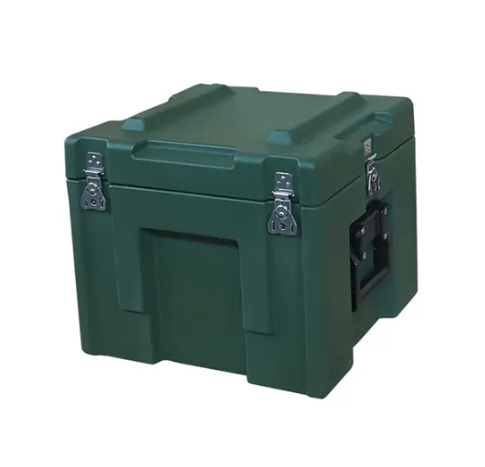
When valuable equipment must be shielded from external elements, whether on a tough mountain trail, busy construction site, or overseas shipping, choosing the right protective cases is crucial. Among the diversity of manufacturing processes, rotomolded cases highlight the best durability and protection in the industry. Users are decidedly interested in such features as waterproofing. This article considers the waterproof capabilities of rotomolded cases, and outlines protective benefits of rotational molding cases, like those from Everest Case, in comparison to competing products.
The Importance of Waterproof Cases: Seamless One-Piece Construction
The waterproof integrity of a molded rotocase begins with its manufacturing process. The process of rotational molding begins with filling a hollow mold with powdered polyethylene resin. This mold is then heated and rotated biaxially. The end result is a material that coats the wall of the interior mold. One poly resin mold is rotocast. Unlike most waterproof molded plastic cases which are molded with multiple panel components glued, riveted, or screwed together, an entire piece of rotomolded case is void of seams or joints that can allow water to penetrate. The enclosed monolithic construction of the case ensures that the body of the case is structurally protective. The waterproof construction of the case is the first, and most fundamental line of defense. This construction type is the first and primary line of defense that safeguards the body of the case from water. A seamless build makes a rotomolded case waterproof to a level that a case constructed from multiple fragments does not achieve.
Engineering the Seal: Gaskets and Closure Systems
A gasket is perfect if the molding on the case does not seal correctly, even a gasket is useless. Engineering is the solution. Quality rotomolded case builds have an integrated gasket made of prime continuous rubber, which is fixed in molding on the opening of the case. Once the lid is closed and latched an airtight, watertight seal is formed. Everest case builds have a gasket like this and over-center latches. These latches gapped closure mechanisms so that there is no gapping along the seal. This system is heavily tested and can do even greater than the the international standard IP67, which means it can survive a time of being submerged in water.
Structural integrity under stress: No warping or cracking
In order to have waterproof seals, some cases need to avoid taking too much stress. Structural foam or injection molded cases can lose seals by cracking or warping due to extreme temperatures or massive impacts. On the other hand, rotomolded cases are known to resist major impacts. This is due to the rotationally molded polyethylene, which absorbs and resists shocks. Additionally, the construction of the case is stress free and has a uniform wall thickness, meaning the case won't warp due to hot or cold temperatures. Because of this, the important seal between the case body and gasket stays the same. Because of this, rotomolded cases are waterproof sealed even in extreme conditions. For example, this major rotomolded case advantage means a lot to field professionals working in high heat or extreme cold environments.
Defense in Depth: Valves, Hardware, and Details
Reliable waterproofing means no detail can be overlooked. In addition to the main seal, other components of a waterproof case are important.
- Pressure Equalization Valves: In some situations, a sealed case can be in a position where there is high altitude, and internally the pressure into the sealed case can be high. In these cases, the pressure might bring strain to the latch and seal. In order to fix this situation, a one-way pressure relief valve does allow moisture to get in. However, it do allow pressure to equalize. In this way, it protects the seals from becoming unwaterproof due to nonstop pressure changes.
- Protected Hardware: Locking studs, latch points, and handle attachments are usually through-bolted with backing plates. We make sure that these fastener points are covered with washers or, are designed to be isolated from the case interior, to prevent water from tracking along the case thread.
- Integrated Design: Elements like padlock protectors and reinforced corners are integrated into the case, so there are no extra external pieces that could be prone to leaks.
Material Performance: Beyond Just a Barrier
The case’s rotomolded polyethylene construction provides optimal waterproofing. It is a non-hygroscopic substance, meaning it doesn’t absorb moisture. Polyethylene is also unique, in that it doesn’t swell, and degrade like other materials. Polyethylene is highly resistant to corrosion from saltwater, chemicals, and UV radiation. Because of this, we are able to make waterproof guarantees that will last. We use rotomolded polyethylene designed specifically to brink quality assurance in your investment.
Comparing Other Case Types
Before discussing the rotomolded case waterproof capabilities, let’s do a brief comparison:
- Injection-Molded Cases: These commonly have welded seams which can be points of weakness. Thinner walls can flex under pressure which can result in breaking the seal. They offer good water resistance, but not the immersion-proof protection that rotomolded cases offer.
- Structural Foam Cases: They are lightweight and sturdy, but are usually assembled from several different sections that have glued seams. This creates weak points with respect to prolonged waterproofing.
- Soft Fabric Cases: These usually have water resistant coatings and water resistant zippers which only provide splash protection (not submersion protection).
- Compared to the alternatives, a rotomolded case offers the most consistent and stress resistant waterproofing.
Everest Case: Your Guarantee of Protection
Using the principles outlined above, at Everest Case we take full advantage of rotational molding in crafting our rotomolded case waterproof products. Every case we create incorporates seamless one-piece construction, high compression gasket systems, over center latches, pressure valves, and corrosion resistant hardware. To ensure we protect your sensitive instruments, tactical gear or valuable equipment from water, dust, and impact, we put our cases through rigorous real world and lab based testing.
To sum up, the waterproof excellence of a rotomolded case isn’t a standalone feature, but rather the result of a synergistic blend of a manufacturing process, material science, and detailed design. It guarantees that your gear stays dry in the most challenging of conditions. For protection you can depend on, the strong and reliable seal of a rotomolded case remains the best choice.
Table of Contents
- The Importance of Waterproof Cases: Seamless One-Piece Construction
- Engineering the Seal: Gaskets and Closure Systems
- Structural integrity under stress: No warping or cracking
- Defense in Depth: Valves, Hardware, and Details
- Material Performance: Beyond Just a Barrier
- Comparing Other Case Types
- Everest Case: Your Guarantee of Protection