
 EN
EN
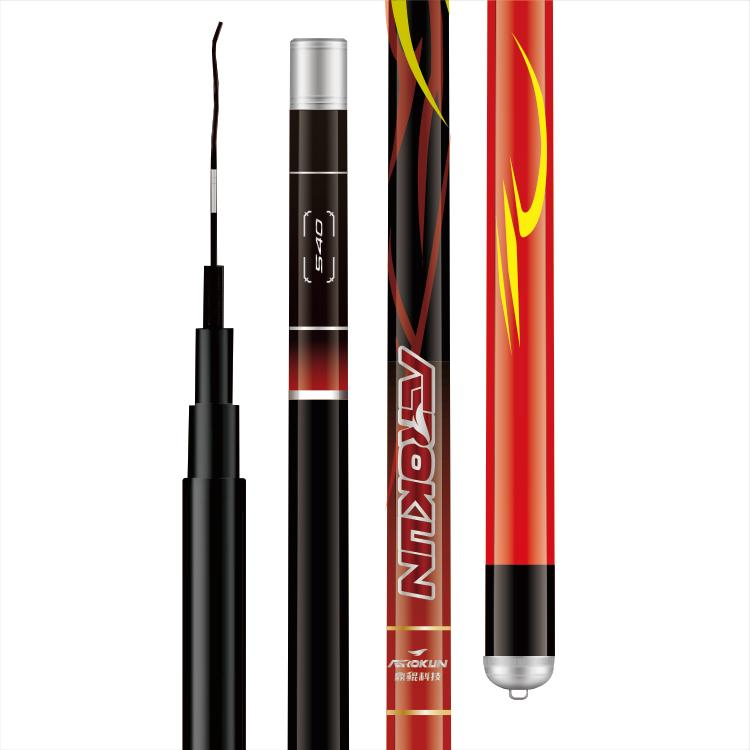
Looking Past the Price Tag: Why Choosing the Right Carbon Fiber Supplier is a Smart Move
Carbon fiber, once a niche material, is now a crucial element to the manufacturing process in multiple industries including the automobile and aerospace sectors and has even entered the world of electronics and personal protection. With the global carbon fiber market expected to increase substantially, the need for strong, lightweight material is also on the rise. Having said that, the first hurdle business owners and procurement professionals need to overcome to reap the benefits of carbon fiber is finding the right carbon fiber supplier. This first step is critical, and selecting the wrong carbon fiber supplier can have a negative impact over a wide range of areas including delaying production, failing to meet product performance expectations, and even failing to meet the requirements for product performance. It is equally the case that selecting the right supplier can open new frontiers.
The Foundation of ROI: Evaluating a Supplier's Technical Capabilities and Capacity for Production
Assessing potential carbon fiber suppliers starts with looking more technically. The greater the understanding of production processes the greater the evidence of a supplier's potential. Determine whether the supplier is a producer or simply a trader. The vertically integrated suppliers who manage their own carbonization ovens and weaving and finishing lines have greater control over critical specifications such as fiber tow size (1K, 3K, 12K), weave types (plain, twill, satin), and areal weights (gsm). This level of control translates directly to variability in the mechanical properties quality (tensile strength and modulus) the supplier has for high-performing requirements. For example, Everest Case's ultra lightweight military grade protective enclosures require a specific carbon fiber fabric to strike the right balance of impact strength and structural stiffness. Therefore 3K tows with specific twill weaves and high tensile strength are critical. Variability introduced by suppliers is detrimental to design and production processes and increases the risk of poor ROI due to greater design and production waste and sub-optimal battlefield performance.With a suppliers technical depth, rely on raw materials sourcing (i.e., origin of PAN precursor), detailed questions regarding whether they can provide batch-specific test reports (e.g., tensile strength, modulus, and interlaminar shear strength) and resin systems experience that are compatible with your manufacturing process (e.g., prepreg layup, resin infusion, compression molding), and so on.
Experience and Certifcations: Proving Actual Capability and Trustworthiness.
The ISO 9001 certification recognizes a supplier's effort towards consistent quality management, but it should not stop there. To evaluate the supplier’s reliability, trust and operational resilience, more real-life experience and ongoing performance must be prioritized over evidence of quality. The track record of quality behaviors is a better indicator for supplier's trustworthiness. Supplier’s response to technical queries within 2 to 3 hours, on time delivery over 100%, and high customer reorder rates show supplier’s experience and commitment to the jobs. The high reorder rate implies high customer satisfaction. In our experience in high-volume production material sourcing, we appreciate suppliers who respond quickly and in detail on material compatibility with epoxy and vinyl ester resins, and who provide tips on vacuum bagging and cure profiles. They use their experience to help us improve our processes.
Consider Yixing T-Carbon Fiber Material Technology as an example supplier. Yixing's quick responses and high reorder rates show service agility that takes risks out of procurement and protects the timeline of projects. This type of operational data shows promise beyond brochures.
Safeguarding Your Investment: Importance of Quality Assurance and Traceability
Trust and traceability go hand in hand in high-stakes manufacturing. With respect to your chosen carbon fiber suppliers and the ROI you would like to protect, the assurance of consistent quality is paramount. This means establishing a quality assurance system. This means more than just accepting the CoC as assurance of compliance. Better practice would include the procurement of samples, validation and pilot batch in advance of any full scale production.
During sample evaluation, assess the material for consistent weave, uniform resin distribution(if it's a prepreg), and clean edge finishing. For critical applications, third party testing of the sample for verification of the mechanical properties ( tensile and flexural strength testing per ASTM ) and the analysis of void content (ideally <2% for high-performance composites) is suggested. Testing can be done through SGS or Bureau Veritas. As example, leading companies in the automotive and aerospace industries have begun implementing digital traceability, where every step of the production process (cutting, lamination, curing, quality control) is recorded for each part in the form of a unique production QR code. Not all carbon fiber fabric suppliers provide this level of detailed digital traceability, but asking about their batch traceability is a good indicator of their quality commitment. A supplier that can trace a production batch back to its specific precursor lot and production lot offers a high level of operational transparency so you can quickly diagnose and correct problems to avoid costly delays. This is the level of diligence we perform for our IP67/IP68 cases, where material integrity is vital to ensuring all elements protection.
Strategic Customization and Scalability: Integrating Supplier Strengths with Supplier Future Vision
Getting an optimal ROI means innovation from your supplier; it means flexible and scalable solutions and partnership growth. The most effective carbon fiber suppliers provide innovation partnership opportunities. When selecting suppliers, you want those who can progress with you and evolution. Are they equipped to transition from small-batch prototype runs (i.e., MOQs as low as 10 square meters) to high-volume production (i.e., 500+ square meters) and sustain consistent quality throughput? Can they provide precision cutting, custom color tints, or impact modified hybrid laminates that integrate aramid or UHMWPE? Everest Case needs this type of supplier agility. When a client requests a custom lightweight transit case solution with integrated carbon fiber panels to achieve optimal strength-to-weight ratio, we need suppliers who can help with more than just base materials — like, a custom weave or a specific pre-preg that would optimize cycle time and expedite molding.
Working together like this lowers manufacturing costs and speeds up development times as well as providing a better final product and higher ROI as we can provide better and more valuable solutions to our customers.
Creating a Reliable Supply Chain
When it comes to choosing carbon fiber suppliers, the main consideration should be the ability to provide a flexible and adaptable supply chain. The global carbon fiber market is expected to reach almost $5 billion in 2024, and is expected to continue growing afterwards. The market is, however, difficult to navigate because of raw material availability, geopolitical situations, and the cost of transportation. Focusing on the absolute least cost per square meter is a weak and ineffective method. An one shipping delay, or one batch of non conforming material could wipe out all of your "savings". All things considered, this is why you should focus on the "all in" cost, and the value of partnership. When it comes to partnership, consider the relationships, technical support, and lead time, as well as the location. The manufacturing ecosystems of China, and the integrated supply chain ecosystems of Guangdong, Jiangsu, and Zhejiang are the most efficient on the planet. The right balance of technical, operational, and process, and dependable supply chain reliability moves your material procurement to a new and better place. It will partnership with your customer's expectations, that allows you to deliver on your customer's expectations.
At Everest Case, we aim to be the world’s leading expert on professional protection, and we believe that the materials we use reinforce the trust the clientele we service globally, place in us.
Table of Contents
- Looking Past the Price Tag: Why Choosing the Right Carbon Fiber Supplier is a Smart Move
- The Foundation of ROI: Evaluating a Supplier's Technical Capabilities and Capacity for Production
- Experience and Certifcations: Proving Actual Capability and Trustworthiness.
- Safeguarding Your Investment: Importance of Quality Assurance and Traceability
- Strategic Customization and Scalability: Integrating Supplier Strengths with Supplier Future Vision
- Creating a Reliable Supply Chain