
 EN
EN
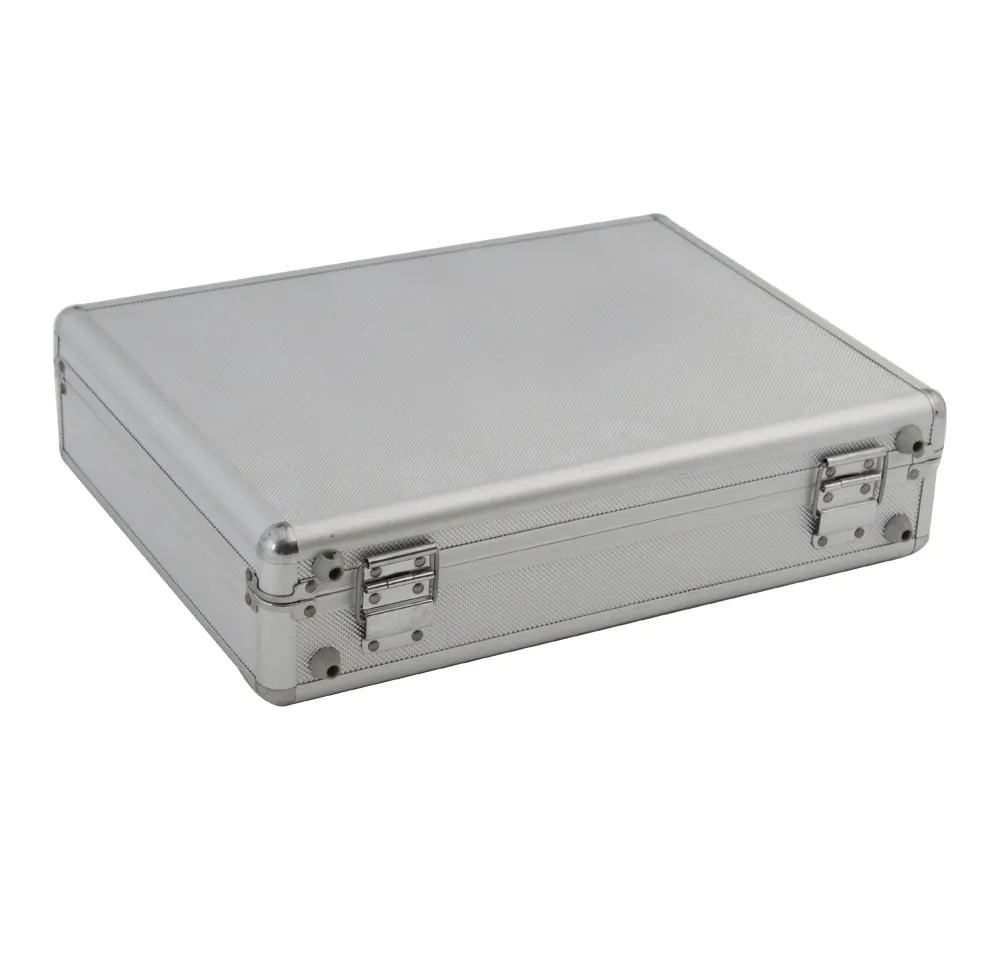
Custom aluminum cases have become an essential asset for businesses that require high-level protection for sensitive equipment, medical instruments, and high-value tools. Unlike standard plastic or soft-shell options, aluminum offers a unique combination of structural integrity and lightweight portability. For companies operating in demanding environments—such as field engineering, aerospace, or medical services—the decision to invest in a custom solution is driven by the need to mitigate risk. A damaged component doesn't just mean a repair bill; it often results in costly project downtime and missed deadlines.
Superior Durability and Material Strength for Industrial Use
When analyzing the physical properties of aluminum used in professional transit cases, the primary advantage is its strength-to-weight ratio. Aluminum is naturally resistant to corrosion and can withstand extreme temperature fluctuations without warping or becoming brittle—a common failure point for polymer-based cases. In industrial logistics, equipment often faces significant physical stress during air or sea freight. A custom aluminum case acts as a rigid exoskeleton, absorbing impact energy and distributing it across the frame to prevent localized damage. This mechanical durability ensures that the internal contents remain functional even after rigorous handling in harsh field conditions.
Precision Engineering and Tailored Interior Protection
The "custom" aspect of a custom aluminum case is where the most significant value lies for business operations. Off-the-shelf cases often require users to modify foam inserts manually, which can lead to imprecise fitting and reduced shock absorption. Professional custom cases are engineered with CNC-cut foam interiors—utilizing materials like high-density EVA or Ethafoam—designed specifically to the dimensions of the client's gear. This precision ensures that sensitive items, such as calibrated laser levels or delicate surgical tools, remain completely immobile during transit. By eliminating "migration" within the case, the risk of internal scratching or mechanical misalignment is virtually eliminated.
Thermal Stability and Electromagnetic Shielding
Beyond physical impact, many high-tech industries must protect equipment from environmental and electronic interference. Aluminum naturally provides a level of RFI (Radio Frequency Interference) and EMI (Electromagnetic Interference) shielding, which is critical for transporting sensitive electronic sensors or communication devices used in the defense or telecommunications sectors. Furthermore, aluminum’s thermal conductivity allows for better heat dissipation compared to plastic. If equipment needs to be operated while partially housed or if it is sensitive to heat soak during transport in tropical climates, the metallic shell provides a more stable thermal environment, preserving the lifespan of internal batteries and circuits.
Long-Term Cost Efficiency and Sustainable Branding
While the initial investment in aluminum housing may be higher than disposable alternatives, the lifecycle cost analysis reveals significant savings. These cases are designed for years of repeated use, often outlasting the equipment they carry. For a business, this sustainability reduces the "cost per trip" and minimizes the environmental impact of replacing cracked plastic shells. Additionally, a custom-branded aluminum case serves as a professional touchpoint. When a technician arrives at a client site with a sleek, rugged, and well-organized case, it communicates a high level of expertise and respect for the equipment, reinforcing the company's reputation for quality and reliability.