
 EN
EN
Introduction to Breadboard Design in Product Development
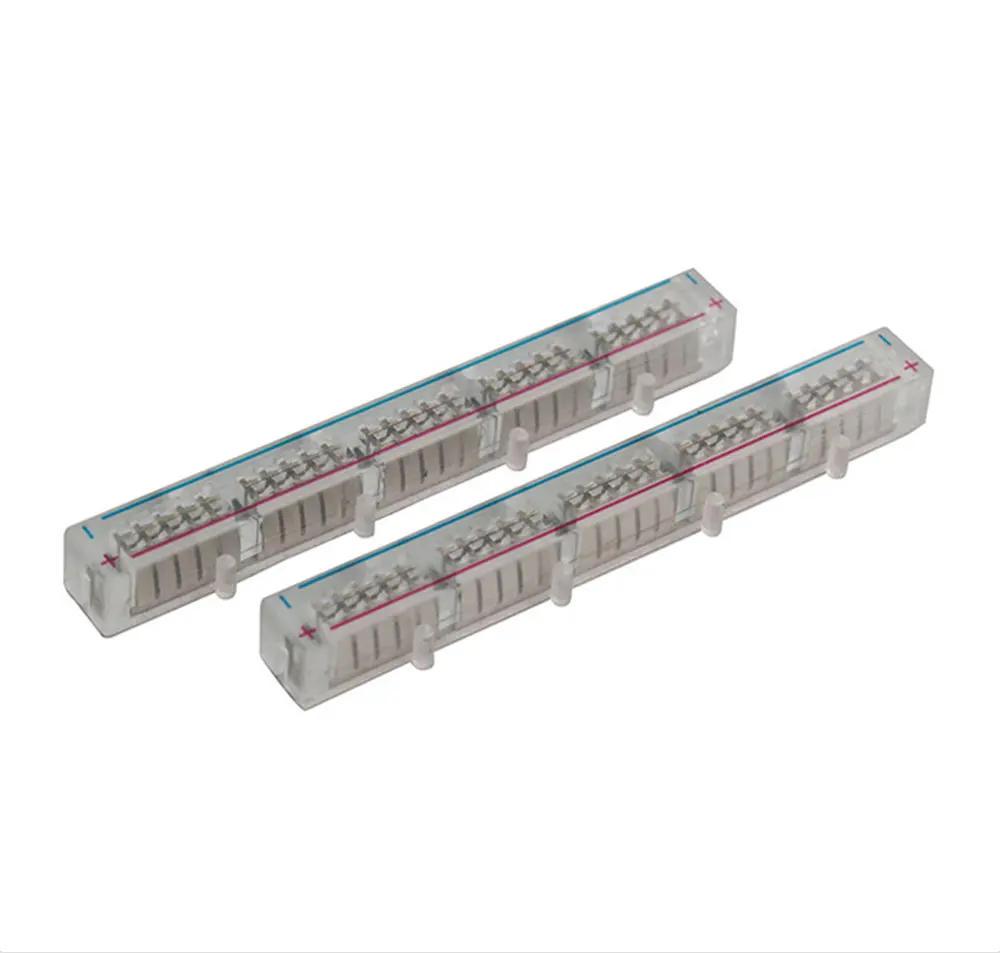
In the fast-paced world of electronics and hardware innovation, the initial prototyping phase is critical. For enterprises, this is where concepts begin their journey toward reality. A fundamental tool in this stage is breadboard design. Unlike permanent circuit boards, a breadboard is a reusable platform for building and testing temporary electronic prototypes without soldering. It allows engineers and designers to connect components quickly, test functionalities, and iterate on circuit layouts with unprecedented speed. For businesses, this translates to reduced initial development costs, faster validation of ideas, and a crucial layer of flexibility before committing to expensive printed circuit board (PCB) fabrication. The ability to experiment freely on a breadboard is often the difference between a streamlined development cycle and one plagued by costly, late-stage redesigns.
The Core Advantage: Unmatched Flexibility and Iteration Speed
The primary value proposition of breadboard design lies in its inherent flexibility. Enterprise R&D teams face constant pressure to innovate while managing risks. When a circuit concept is on a breadboard, modifying it is as simple as rearranging wires and components. This facilitates rapid A/B testing of different configurations, component values, or even entirely new features. For instance, a team developing a new IoT sensor can test multiple sensor interfaces, power regulation schemes, and microcontroller connections within hours—not weeks. This agility is vital for exploring creative solutions, troubleshooting design flaws early, and optimizing performance before the design is "set in stone." The breadboard phase is where theoretical designs meet practical physics, and flexibility is the key to navigating that transition successfully.
Integrating Breadboard Design with Professional Prototyping Support
While breadboards are excellent for initial concept validation, enterprise projects quickly outgrow the simple plug-and-play model. This is where professional prototyping services, like those offered by Everest Case, become invaluable. Based on our extensive experience supporting clients from startups to Fortune 500 companies, we've observed that the most successful projects treat breadboarding not as an isolated activity, but as the first step in a seamless prototyping workflow. After a circuit is validated on a breadboard, the next challenge is creating a more robust, testable prototype that resembles the final product. Our expertise lies in providing custom enclosure solutions and advanced prototyping support that bridge this gap. We help enterprises transition from a fragile breadboard layout to a housed, durable prototype suitable for field testing, demonstrations, and further technical evaluation, thereby extending the flexibility of the design phase into tangible, functional models.
Addressing Enterprise-Level Challenges in Prototyping
Enterprises often encounter specific scalability and reliability challenges that go beyond simple breadboard testing. Questions arise: How will the circuit perform under vibration or temperature extremes? Is the component layout optimal for EMI/EMC? Will the final assembly be manufacturable? Authoritative sources in product design, such as the principles outlined in the PDMA Handbook of New Product Development, emphasize that reducing time-to-market requires parallel development and rigorous early-stage testing. A flexible breadboard design process, followed by professionally packaged prototypes, directly addresses these challenges. It allows for concurrent engineering where mechanical design (like custom enclosures from Everest Case) can evolve alongside the electronic design. This integrated approach, verified through our client case studies, significantly de-risks projects and provides stakeholders with trustworthy, physical evidence of progress, enhancing both internal confidence and external investor or client communications.
Strategic Considerations for Implementing a Flexible Design Process
Adopting a robust breadboard-to-prototype strategy requires thoughtful planning. Enterprises must evaluate their internal capabilities versus partnering with specialized providers. Key considerations include the complexity of the product, the required speed of iteration, and the need for domain-specific expertise in prototyping and manufacturing. Industry experts consistently highlight that investing in early-stage flexibility pays exponential dividends later by avoiding tooling changes and production halts. The trustworthiness of this approach is rooted in transparent processes and proven methodologies. By clearly documenting breadboard tests, component choices, and prototype iterations, companies build a reliable knowledge base. Partnering with an experienced prototype provider ensures access to materials knowledge, precision machining, and design-for-manufacturability insights, turning a flexible breadboard concept into a viable product ready for pilot production.
Conclusion: Breadboard Design as a Strategic Enterprise Asset
Ultimately, evaluating breadboard design flexibility is not just about assessing a prototyping tool; it's about evaluating an enterprise's approach to innovation and risk management. In today's competitive landscape, the ability to fail fast, learn quickly, and adapt is paramount. A disciplined yet flexible breadboard design phase, seamlessly connected to professional prototyping and enclosure solutions, provides a structured framework for this agile development. It empowers engineering teams to explore boldly, validates decisions with tangible data, and paves a smoother, more predictable path to successful product launch. For forward-thinking enterprises, fostering this capability—whether in-house or through trusted partners like Everest Case—is a strategic investment in sustained innovation and market responsiveness.
Table of Contents
- Introduction to Breadboard Design in Product Development
- The Core Advantage: Unmatched Flexibility and Iteration Speed
- Integrating Breadboard Design with Professional Prototyping Support
- Addressing Enterprise-Level Challenges in Prototyping
- Strategic Considerations for Implementing a Flexible Design Process
- Conclusion: Breadboard Design as a Strategic Enterprise Asset