
 EN
EN
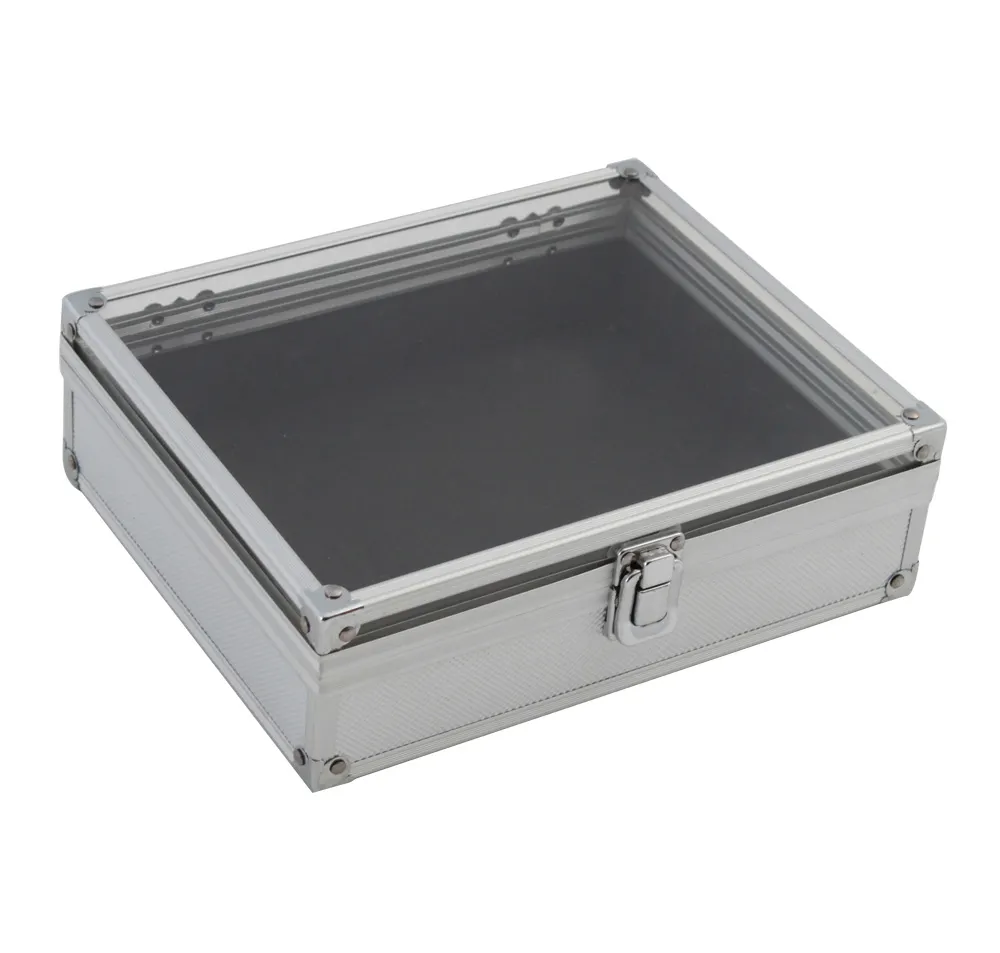
Understanding Hard Case Composite Material and Its Role in Protective Cases
In my experience working with protective case manufacturers and industrial clients, hard case composite material has become a preferred solution for applications that demand both durability and lightweight performance. Unlike traditional plastic or metal enclosures, hard case composite material combines reinforced polymers, fiberglass, or carbon-based layers to achieve superior strength-to-weight ratios. At Everest Case, these materials are carefully selected to balance impact resistance, portability, and long-term reliability. From transporting precision instruments to safeguarding electronics in harsh environments, hard case composite material plays a critical role in modern protective case design.
Material Structure and Engineering Principles Behind Composite Cases
From an engineering perspective, hard case composite material relies on layered construction. Each layer serves a specific function—outer shells resist abrasion and impact, while inner composite cores absorb shock and vibration. According to widely cited materials science research, composite structures outperform single-material designs when subjected to repeated stress cycles. In practical terms, this means a hard case composite material enclosure can endure drops, compression, and temperature changes better than standard plastic housings. Everest Case integrates these principles into product development, ensuring that the composite layers work together as a unified protective system rather than isolated components.
Applying Hard Case Composite Material in Real-World Products
Based on actual project experience, implementing hard case composite material starts with understanding the end-use scenario. For example, when designing cases for medical devices or testing equipment, the material must resist chemicals, moisture, and mechanical shock. Everest Case products demonstrate how hard case composite material can be molded into custom shapes while maintaining structural integrity. This flexibility allows manufacturers to design cases that precisely fit sensitive equipment, minimizing internal movement and reducing the need for excessive foam padding. The result is a more compact, professional-grade protective solution.
Manufacturing Process and Quality Control Considerations
Producing reliable hard case composite material products requires strict quality control. From resin selection to curing temperature and pressure, every manufacturing step influences final performance. Industry experts such as those publishing through ASM International emphasize that consistent curing and fiber alignment are key to composite strength. In practice, Everest Case applies standardized testing protocols, including drop tests and load-bearing evaluations, to validate each hard case composite material design. This transparent testing process builds trust with customers who rely on these cases for high-value equipment transport.
Performance Benefits Compared to Traditional Case Materials
When comparing hard case composite material to conventional ABS plastic or aluminum cases, the advantages become clear. Composite materials provide higher impact resistance without significantly increasing weight, which is crucial for frequent transport. Additionally, hard case composite material offers better corrosion resistance than metal alternatives, especially in marine or outdoor environments. Drawing from hands-on feedback, many users report longer service life and reduced maintenance costs when switching to composite-based cases. Everest Case leverages these benefits to deliver products that meet both industrial standards and everyday usability needs.
Implementing Composite Cases with Confidence and Long-Term Value
Successfully implementing hard case composite material is not only about material choice but also about design expertise and application knowledge. By combining material science, user feedback, and proven manufacturing practices, Everest Case ensures each product delivers consistent performance. Authoritative studies from the composites industry consistently show that well-designed composite enclosures maintain structural integrity over extended use. For buyers and engineers alike, choosing hard case composite material solutions means investing in protection, reliability, and long-term value that aligns with modern equipment demands.
Table of Contents
- Understanding Hard Case Composite Material and Its Role in Protective Cases
- Material Structure and Engineering Principles Behind Composite Cases
- Applying Hard Case Composite Material in Real-World Products
- Manufacturing Process and Quality Control Considerations
- Performance Benefits Compared to Traditional Case Materials
- Implementing Composite Cases with Confidence and Long-Term Value