
 EN
EN
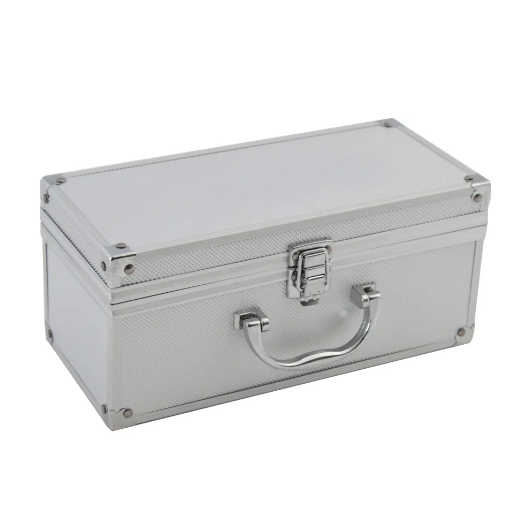
Introduction: The Science Behind Hard Case Composite Material
In an era where the protection of valuable equipment is paramount, the materials used in protective cases have evolved significantly. Hard case composite material represents a sophisticated engineering solution that combines multiple substances to create a product superior to any single traditional material. Unlike conventional plastics or metals, these composites are formulated through a precise process of embedding strong fibrous reinforcements within a protective matrix, resulting in a final product that exhibits exceptional strength-to-weight characteristics. The development of hard case composite material has revolutionized protective gear across industries from aerospace to consumer goods, offering unparalleled protection while maintaining lightweight properties. Understanding the composition and capabilities of these advanced materials is essential for making informed decisions about equipment protection .
The fundamental principle behind composite materials lies in the synergistic combination where each component retains its individual properties while contributing to enhanced overall performance. In a typical hard case composite material, the fibrous component (such as carbon or glass fibers) provides structural strength and rigidity, while the matrix material (often an advanced polymer) binds these fibers together, transfers stress between them, and protects them from environmental damage. This combination results in a material that demonstrates advantages neither component could achieve alone, making modern protective cases more durable yet lighter than ever before .
Myth 1: "Composites Are Just Plastic" - Unveiling the Truth
A prevalent misconception suggests that hard case composite material is essentially the same as ordinary plastic, implying inferior strength and heat resistance compared to traditional materials like metal. This myth stems from confusing basic thermoplastics used in consumer goods with advanced composite systems. While inexpensive thermoplastics soften under heat and exhibit limited structural integrity, high-performance composites combine reinforcing fibers with sophisticated polymer matrices engineered to withstand extreme conditions .
The distinction between commodity plastics and advanced composites becomes apparent when examining their composition. A true hard case composite material typically utilizes thermoset polymers like epoxy resins rather than basic thermoplastics. These thermoset composites undergo an irreversible chemical curing process that creates rigid, heat-resistant molecular structures. For maximum durability, manufacturers may incorporate carbon fiber or fiberglass reinforcements within the matrix, creating a material far superior to standard plastics in terms of strength, stiffness, and thermal stability . This advanced composition explains why composite materials have become the standard for demanding applications including aircraft components, automotive crash structures, and of course, professional protective cases where reliability is non-negotiable .
Myth 2: "Composites Lack Strength Compared to Traditional Materials" - Scientific Evidence
The belief that hard case composite material cannot match the strength of metal alternatives ignores fundamental principles of materials science. While untreated plastics may indeed be weaker, properly engineered composites demonstrate superior strength-to-weight ratios compared to steel, aluminum, or wood. This advantage comes from the intelligent combination of materials that each contribute specific properties to create a whole that outperforms its individual components .
In practical testing, hard case composite material exhibits remarkable performance characteristics. The strategic alignment of reinforcing fibers allows engineers to create "designed failure points" that absorb impact energy more effectively than homogeneous materials. This capability makes composites ideal for protective applications where energy dissipation is crucial. The aerospace and automotive industries have capitalized on these properties, with Formula 1 race cars relying on carbon fiber composites for survival cells that protect drivers during high-speed impacts, and modern aircraft utilizing composites for up to 50% of their structure . The exceptional strength of hard case composite material comes not from being a single, uniform substance, but from the sophisticated integration of components that work together to create a protective barrier far exceeding the capabilities of traditional materials .
Myth 3: "Composites Are Too Expensive" - Long-Term Value Analysis
The initial purchase price of products made with hard case composite material often raises questions about cost-effectiveness compared to traditional materials. While the upfront cost may be higher, a comprehensive life-cycle analysis reveals a different economic picture. The long-term value proposition of hard case composite material becomes apparent when considering durability, maintenance requirements, and operational efficiencies over the product's entire lifespan .
Multiple factors contribute to the economic advantage of hard case composite material. First, their exceptional durability significantly reduces replacement costs, as composites demonstrate superior resistance to corrosion, UV damage, and impact compared to many traditional materials. Second, the lightweight nature of composites translates to substantial savings in transportation and handling, reducing fuel consumption and facilitating easier manual operation. Industries facing costly downtime from equipment failure particularly benefit from the reliability of composite cases, making them a financially prudent choice despite higher initial investment . When all cost factors are considered comprehensively, hard case composite material often emerges as the more economical solution over time, proving that true value extends far beyond the initial purchase price .
Myth 4: "Composites Are Difficult to Repair and Recycle" - Addressing Sustainability Concerns
Critics sometimes claim that hard case composite material presents challenges in terms of repairability and recyclability, suggesting potential environmental drawbacks. While early composite technologies indeed faced some limitations in these areas, significant advancements have largely addressed these concerns. Modern composite repair techniques have become standardized and highly effective, while recycling technologies continue to evolve toward greater sustainability .
The reparability of hard case composite material is actually one of its advantages under proper techniques. Unlike metals that may require welding or complete replacement of damaged sections, composite cases can often be repaired using resin-based systems that restore structural integrity through adhesive bonding. For professional case manufacturers, this means field-repairable solutions that extend product life significantly . Regarding recyclability, the composites industry has made substantial progress through methods like pyrolysis (thermal decomposition) and solvolysis (chemical breakdown) that reclaim fibers for reuse. Additionally, the exceptional durability of hard case composite material inherently supports sustainability by extending product lifecycles and reducing waste generation. The industry continues to innovate with bio-based resins and recycling technologies that further enhance the environmental profile of composite materials .
Myth 5: "Composites Cannot Withstand Extreme Conditions" - Performance Under Pressure
Skepticism regarding the environmental resistance of hard case composite material often centers on concerns about UV degradation, moisture absorption, and temperature extremes. However, properly formulated composites demonstrate exceptional stability across a wide range of challenging conditions. The secret lies in the sophisticated integration of UV-resistant coatings, moisture barriers, and thermal stabilizers that protect the composite matrix from environmental degradation .
For UV resistance, hard case composite material employs multiple protective strategies. While prolonged sunlight exposure can potentially affect the surface matrix, this effect is typically limited to the top few microns and is effectively prevented with UV-resistant coatings. Modern composites utilize highly light-stable resins and pigments that maintain both appearance and structural integrity despite extended outdoor use . Regarding thermal and moisture resistance, the composite structure itself provides inherent protection, with the matrix material shielding reinforcing fibers from environmental stress. This makes hard case composite material suitable for applications ranging from industrial equipment protection to specialized cases for sensitive instrumentation that must perform reliably across varying climate conditions . The versatility of modern composites explains their adoption across industries where failure is not an option, from aerospace components to deep-sea exploration equipment .
Advanced Composite Manufacturing: How Hard Cases Are Engineered for Excellence
The manufacturing process of hard case composite material involves sophisticated techniques that ensure optimal performance characteristics. Modern production begins with carefully selected reinforcing fibers—typically fiberglass, carbon fiber, or aramid—arranged in specific orientations to maximize strength in critical areas. This reinforcement is then combined with resin matrices using methods like resin transfer molding or vacuum bagging that ensure thorough impregnation and minimal voids .
Advanced manufacturing techniques have significantly improved the quality and consistency of hard case composite material. Automation has enhanced precision while reducing production variability, resulting in more reliable end products. For specialized applications, manufacturers may employ tailored fiber placement that concentrates reinforcement precisely where needed, optimizing the strength-to-weight ratio. The integration of monitoring systems during manufacturing allows for real-time quality control, ensuring that each hard case meets stringent performance standards before reaching the customer . These advanced production methods demonstrate how technological progress has made high-performance composite cases more accessible and reliable than ever before, offering superior protection across diverse applications .
Choosing the Right Hard Case: A Practical Guide for Consumers
Selecting the appropriate hard case composite material requires careful consideration of specific use cases and performance requirements. Different applications demand varying balances of strength, weight, environmental resistance, and special features. Understanding key selection criteria helps consumers make informed decisions that match their specific protection needs while maximizing the value of their investment .
Critical factors in choosing hard case composite material include the intended level of impact protection, weight restrictions, environmental conditions, and necessary certifications. For professional applications, cases meeting military standards (MIL-STD) for shock and vibration resistance may be necessary, while consumer applications might prioritize lightweight portability. Additional considerations include closure mechanisms, sealing effectiveness against moisture and dust, and compatibility with internal mounting solutions. The versatility of hard case composite material allows manufacturers to tailor products to specific requirements, whether for delicate electronics, sensitive medical equipment, or rugged field instruments . By carefully evaluating these factors against product specifications, users can select the ideal composite case that provides optimal protection without unnecessary weight or cost .
Conclusion: Embracing the Future of Protection With Hard Case Composite Material
The evidence clearly demonstrates that modern hard case composite material represents a significant advancement in protective technology, debunking common misconceptions through verifiable performance data. These materials offer a compelling combination of strength, durability, and lightweight characteristics that traditional materials cannot match. As manufacturing technologies continue to evolve, hard case composite material becomes increasingly sophisticated, with enhanced capabilities and more sustainable production methods .
The future of hard case composite material points toward increasingly intelligent and adaptable solutions. Emerging trends include the integration of sensing technologies directly into composite structures, self-healing capabilities that automatically address minor damage, and even greater emphasis on sustainable material sources and production methods. As these advancements materialize, the performance and environmental benefits of composite cases will continue to improve, solidifying their position as the protection solution of choice for discerning professionals across industries . By understanding the reality behind common myths, consumers can make informed decisions that leverage the full potential of these advanced materials to protect their valuable equipment effectively .
Table of Contents
- Introduction: The Science Behind Hard Case Composite Material
- Myth 1: "Composites Are Just Plastic" - Unveiling the Truth
- Myth 2: "Composites Lack Strength Compared to Traditional Materials" - Scientific Evidence
- Myth 3: "Composites Are Too Expensive" - Long-Term Value Analysis
- Myth 4: "Composites Are Difficult to Repair and Recycle" - Addressing Sustainability Concerns
- Myth 5: "Composites Cannot Withstand Extreme Conditions" - Performance Under Pressure
- Advanced Composite Manufacturing: How Hard Cases Are Engineered for Excellence
- Choosing the Right Hard Case: A Practical Guide for Consumers
- Conclusion: Embracing the Future of Protection With Hard Case Composite Material