
 EN
EN
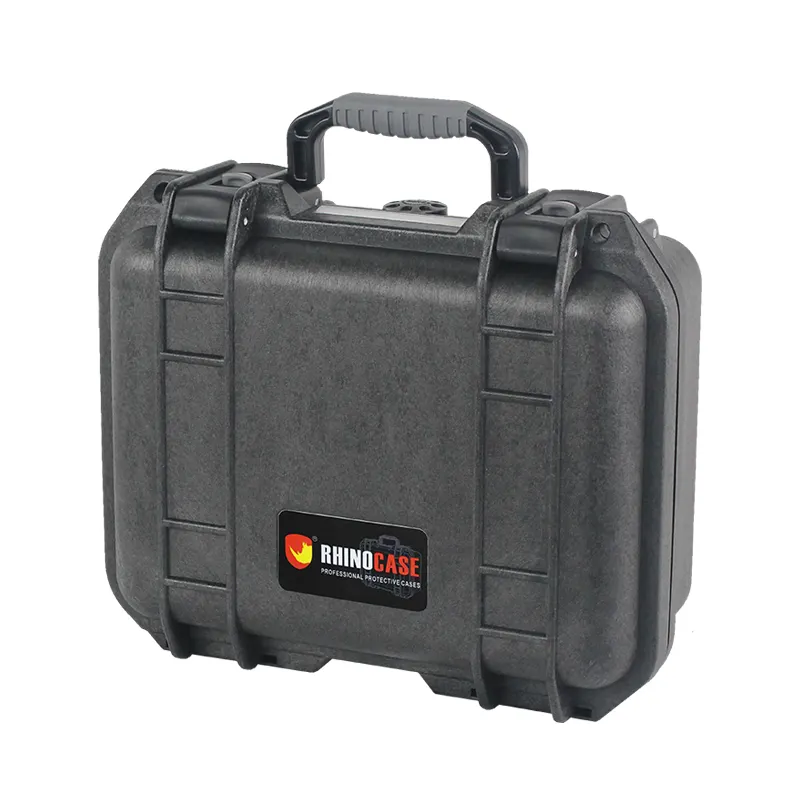
Introduction: Understanding the Critical Role of a Quality Provider
Selecting the right custom waterproof box provider is a pivotal decision that impacts your product's protection, brand perception, and bottom line. A truly waterproof container is not just a simple box; it is a precisely engineered solution designed to withstand moisture, pressure, and environmental challenges. As a leading manufacturer in the protective packaging industry, we at EverestCase have collaborated with hundreds of clients, from innovative startups to global electronics brands. Through this experience, we’ve identified the key steps that separate a successful partnership from a costly mistake. This guide will walk you through a professional, methodical selection process to ensure you find a provider capable of delivering reliability, quality, and value.
Conduct a Thorough Needs and Specification Analysis
Before you even begin searching for providers, you must have absolute clarity on your project's requirements. This goes beyond just dimensions. Ask yourself: What is the IP (Ingress Protection) rating needed? IP67, which guarantees protection against temporary immersion, or IP68 for prolonged submersion? What materials are suitable? For instance, ABS plastic offers excellent impact resistance, while polypropylene might be chosen for its flexibility. Consider internal foam density for cushioning, closure mechanisms (latches vs. hinges), and any need for environmental seals or pressure equalization valves. Creating a detailed specification document is the first and most crucial step in communicating your needs effectively to potential suppliers and ensuring accurate quotations.
Rigorously Evaluate Manufacturing Expertise and Certifications
Once you have your specifications, focus on the provider's technical capability. A reputable custom waterproof box manufacturer should openly demonstrate their expertise. Look for evidence of in-house engineering support, advanced manufacturing equipment like CNC machining or injection molding, and a portfolio of complex past projects. Crucially, inquire about industry certifications. For example, does the provider adhere to ISO 9001 quality management standards? Can they provide independent test reports verifying claimed IP ratings according to IEC 60529 standards? As noted by packaging engineers at Smithers, a trusted research firm, "Certifications and standardized test data are non-negotiable for functional packaging, as they replace assumptions with verified performance." This step separates marketers from genuine manufacturers.
Scrutinize Material Quality and Supply Chain Integrity
The performance of your custom waterproof box is directly tied to the quality of its raw materials. A trustworthy provider will be transparent about their material sources and grades. For instance, not all plastics are equal; virgin engineering-grade polymers perform consistently, while regrind materials can compromise structural integrity and longevity. Inquire about their supply chain for critical components like gasket materials (e.g., silicone vs. rubber) and metal hardware. A provider with strong, audited supplier relationships can guarantee material consistency, which is vital for production runs and future reorders. This transparency is a cornerstone of trustworthiness.
Assess Prototyping and Testing Processes
Never commit to a large production run without a prototype. A competent provider will have a structured prototyping phase. This could involve 3D-printed models for form and fit checks, followed by functional prototypes from actual production materials. The real test of expertise is in their testing regimen. Do they have in-house environmental testing chambers to simulate rain, dust, vibration, and drop tests? Will your specific units undergo batch testing? At EverestCase, based on our direct experience, we subject every new design to a battery of tests, including 24-hour submersion and repeated drop tests from specified heights, documenting all results for client review. This step mitigates risk before significant capital is invested.
Analyze Communication, Scalability, and Value Proposition
Finally, evaluate the provider as a long-term partner. Their responsiveness during the quoting and prototyping phase is a strong indicator of future service. Can they scale production to meet your growing demand without sacrificing quality? Discuss their lead times for both prototypes and full production. While cost is a factor, the true value proposition encompasses total cost of ownership: a slightly higher initial investment in a superior custom waterproof box can prevent enormous costs from product damage, returns, and brand reputation loss. Ensure you understand all costs, including tooling, unit price, shipping, and minimum order quantities (MOQs).
Conclusion: Building a Partnership for Long-Term Success
Choosing your custom waterproof box provider is a strategic process that balances technical specifications, verified expertise, and collaborative partnership. By following these steps—defining needs, vetting expertise, ensuring material quality, insisting on rigorous prototyping, and evaluating partnership potential—you move beyond a simple purchase to forge a relationship with a supplier invested in your product's success. This due diligence ensures your sensitive equipment, valuable instruments, or consumer products receive the definitive protection they require, safeguarding your investment and reinforcing your brand's commitment to quality.
Table of Contents
- Introduction: Understanding the Critical Role of a Quality Provider
- Conduct a Thorough Needs and Specification Analysis
- Rigorously Evaluate Manufacturing Expertise and Certifications
- Scrutinize Material Quality and Supply Chain Integrity
- Assess Prototyping and Testing Processes
- Analyze Communication, Scalability, and Value Proposition
- Conclusion: Building a Partnership for Long-Term Success