
 EN
EN
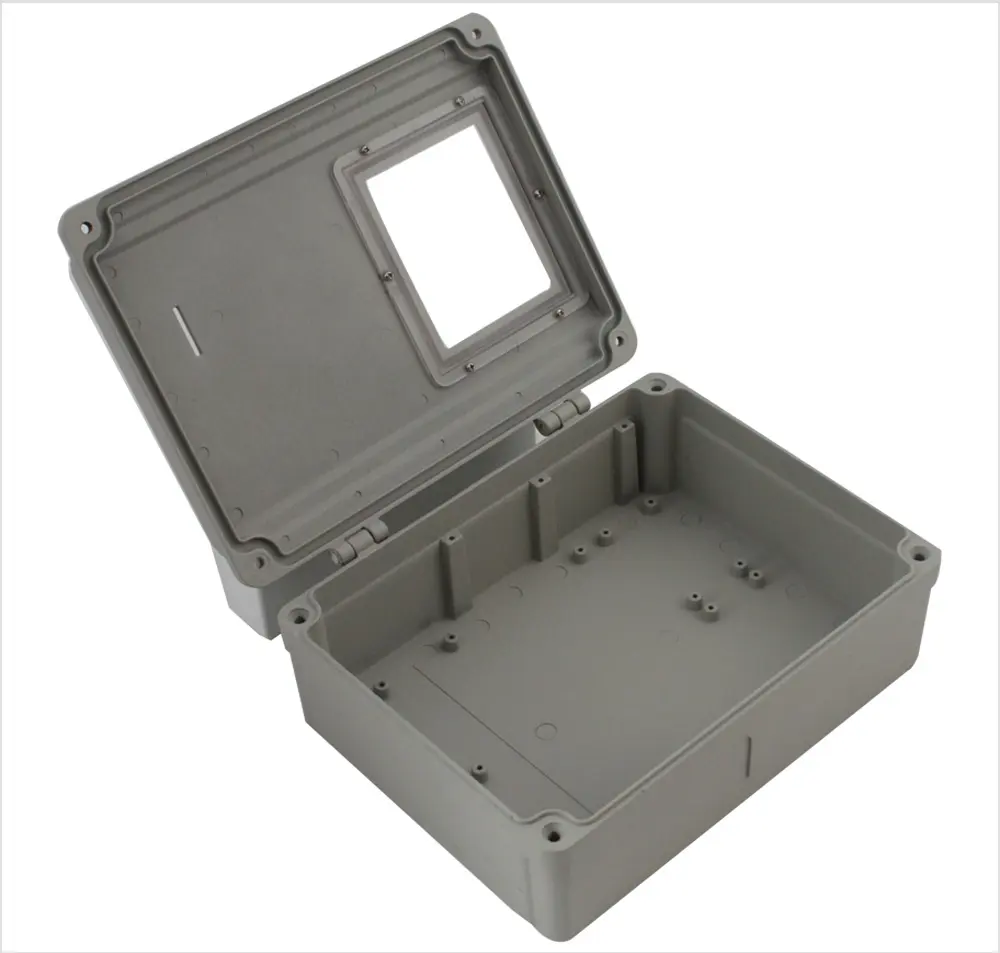
Understanding Common Production Challenges in an Aluminum Enclosure Fabrication Factory
Running an aluminum enclosure fabrication factory requires precision, consistency, and strict quality control. From raw material selection to final assembly, even a small deviation in the production process can lead to dimensional inaccuracies, surface defects, or structural weaknesses. In many manufacturing environments, production teams encounter issues such as uneven surface finishes, incorrect tolerances, or poor fit between enclosure components.
Based on common production experience in industrial fabrication facilities, these problems often arise from three main factors: improper material preparation, inaccurate machining parameters, and insufficient quality inspection. For companies specializing in custom metal enclosures—such as those used in electronics, telecommunications, and industrial control systems—troubleshooting these issues quickly is essential to maintain product reliability and delivery schedules.
An experienced aluminum enclosure fabrication factory typically establishes standardized troubleshooting protocols to identify root causes and implement corrective actions before defects reach the customer.
Material Selection and Preparation: The First Step in Preventing Defects
Many production issues start before machining even begins. Aluminum alloys vary widely in strength, machinability, and corrosion resistance. If the wrong alloy grade is selected or the material contains impurities, the fabrication process may result in cracking, warping, or inconsistent finishes.
In a professional aluminum enclosure fabrication factory, engineers typically choose alloys such as 5052 or 6061 because they offer an excellent balance of formability and structural integrity. Proper storage conditions are also important. Aluminum sheets exposed to moisture or contaminants can develop oxidation layers that affect machining and finishing quality.
From practical manufacturing experience, implementing strict incoming material inspections—including thickness measurement, hardness testing, and surface checks—can significantly reduce downstream production problems.
Precision Machining Problems and How to Solve Them
Machining is one of the most critical stages in aluminum enclosure production. Processes such as CNC milling, drilling, and tapping must maintain extremely tight tolerances. When machining parameters are incorrect, common issues include burr formation, inaccurate hole positioning, and dimensional inconsistencies.
A well-equipped aluminum enclosure fabrication factory relies on advanced CNC equipment combined with optimized tooling strategies. Cutting speeds, feed rates, and tool materials must match the aluminum alloy being processed. For example, carbide cutting tools are often preferred because they provide better wear resistance and surface finish.
Another effective troubleshooting strategy is implementing routine machine calibration and tool wear monitoring. Even minor tool wear can lead to cumulative dimensional errors across a production batch, especially when producing high-volume enclosure components.
Surface Treatment Issues and Finishing Solutions
Surface finishing is essential for both the aesthetics and durability of aluminum enclosures. Common finishing methods include anodizing, powder coating, and sandblasting. However, problems such as uneven coating thickness, discoloration, or poor adhesion can occur if surface preparation is inadequate.
A professional aluminum enclosure fabrication factory typically follows a multi-step surface treatment process that includes degreasing, chemical cleaning, and pre-treatment before coating or anodizing. These steps ensure the surface is free of oils, oxides, and contaminants.
In practical applications, quality control teams often perform adhesion tests, salt spray tests, and visual inspections to verify that the coating meets industry standards. This not only enhances corrosion resistance but also ensures that the final product maintains a professional appearance suitable for commercial electronics and industrial equipment.
Assembly and Structural Fit Troubleshooting
After fabrication and finishing, aluminum enclosure components must be assembled accurately. Poor alignment between panels, misaligned mounting holes, or inconsistent bending angles can lead to assembly difficulties.
Experienced engineers in an aluminum enclosure fabrication factory often address these issues by reviewing bending parameters, fixture designs, and tolerance stacking during earlier production stages. Precision press brakes and automated bending equipment can greatly improve repeatability.
Additionally, prototype testing plays an important role. Before full-scale production begins, a prototype enclosure is assembled to verify that all parts fit correctly and that internal components—such as PCBs, connectors, and cooling systems—can be installed without interference.
Quality Control Systems That Prevent Recurring Problems
Quality control is the backbone of a reliable aluminum enclosure fabrication factory. Without a systematic inspection process, small errors can quickly multiply across large production runs.
Many advanced factories implement a multi-layer quality system that includes:
-
Incoming material inspection
-
In-process dimensional checks
-
Surface finish verification
-
Final assembly testing
Industry standards and manufacturing guidelines published by organizations such as ISO and engineering authorities help define best practices for inspection and quality management. Implementing statistical process control (SPC) allows manufacturers to identify process deviations early and take corrective action before defects become widespread.
This structured approach not only improves product consistency but also increases customer trust and long-term partnerships.
Continuous Improvement and Engineering Expertise
Troubleshooting is not simply about fixing problems—it is about building a manufacturing system that prevents them from recurring. Leading manufacturers constantly analyze production data, optimize workflows, and upgrade equipment to improve efficiency and quality.
A forward-thinking aluminum enclosure fabrication factory invests heavily in engineering expertise, staff training, and process optimization. By integrating design support, prototyping, CNC machining, surface finishing, and assembly under one roof, manufacturers can respond quickly to technical challenges and deliver customized enclosure solutions for industries such as electronics, automation, and telecommunications.
Companies like Everest Case, which specialize in custom aluminum enclosure manufacturing, demonstrate how integrated production capabilities and engineering-driven troubleshooting can significantly improve product reliability and customer satisfaction.
Table of Contents
- Understanding Common Production Challenges in an Aluminum Enclosure Fabrication Factory
- Material Selection and Preparation: The First Step in Preventing Defects
- Precision Machining Problems and How to Solve Them
- Surface Treatment Issues and Finishing Solutions
- Assembly and Structural Fit Troubleshooting
- Quality Control Systems That Prevent Recurring Problems
- Continuous Improvement and Engineering Expertise