
 EN
EN
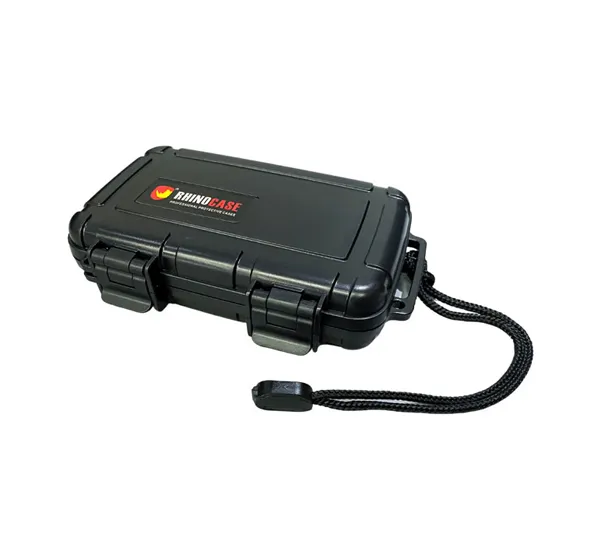
When it comes to protective cases for fragile equipment, selecting the right material is paramount. In this article, we’ll compare hard case composite materials with traditional solutions, focusing on the advantages of composite materials in providing superior protection, lightweight design, and durability. As experts in composite case solutions, Everest Case’s hard case composite material offers significant improvements over conventional materials.
What Is Hard Case Composite Material?
Hard case composite materials are engineered from a combination of resins, fibers, and reinforcing agents. These materials are designed to be lightweight, durable, and resistant to damage. Unlike traditional plastic or metal cases, composite materials have a unique balance of flexibility and strength, making them an ideal solution for heavy-duty use. This blend of materials provides enhanced protection for delicate items like electronics, tools, and medical equipment.
Strength and Durability: A Key Advantage
Traditional cases, such as those made from metal or plastic, are often bulky and prone to dents, scratches, or deformation under stress. In contrast, hard case composite materials offer superior strength-to-weight ratios, meaning they can withstand impact without adding unnecessary weight. This is particularly useful for industries like aerospace, military, and medical fields, where lightweight yet durable materials are crucial.
For example, Everest Case’s hard case composite solutions have been tested in various rugged environments, demonstrating outstanding resilience in high-stress conditions. This durability ensures that your equipment remains protected even during transportation or extreme weather conditions.
Cost-Effectiveness Over Time
One of the misconceptions about composite materials is their cost. While they may have a higher initial investment compared to traditional options, the long-term value is undeniable. Composite materials reduce maintenance costs, as they are more resistant to corrosion and wear and tear than traditional metal or plastic cases. Additionally, the lightweight nature of composite cases reduces shipping costs, especially for companies that need to send heavy equipment across long distances.
Everest Case’s products are designed to provide long-lasting protection, minimizing the need for frequent replacements and repairs, thus proving to be more cost-effective in the long run.
Customization and Design Flexibility
Another significant advantage of hard case composite materials is their design flexibility. Unlike traditional materials that may be rigid in form, composites can be molded into various shapes and sizes to suit specific needs. This allows for tailored cases that match the exact requirements of your equipment.
Everest Case offers customizable composite cases for diverse industries, from electronics to high-end medical tools. The ability to incorporate features like foam inserts, custom locks, and aesthetic design elements adds to the value of using composite materials for case production.
Environmental Impact: Sustainability Considerations
In today’s market, sustainability is becoming an increasingly important factor in product design and manufacturing. Hard case composite materials can be produced using eco-friendly resins and fibers, making them a more sustainable choice compared to traditional plastic cases. Additionally, many composite materials are recyclable, further reducing their environmental footprint.
At Everest Case, we prioritize the use of sustainable materials to help our clients meet environmental standards while maintaining the performance and quality of their protective cases.
Expert Opinions and Industry Trends
Experts in the field of materials science and packaging agree that composites are the future of protective case design. Industry leaders recognize the benefits of composite materials, especially in sectors requiring high-performance products. For instance, military and aerospace sectors have already embraced composite materials for their superior ability to withstand extreme conditions, both in terms of impact and temperature resistance.
By incorporating composite materials, companies can ensure their products are better equipped to handle the challenges of modern-day logistics and transportation.